Last Day of Class
What CS323, AI Awakening, changed about how I think about value creation, and what we should be benchmarking next.
 Shotgun
Written for Stanford's Digital Economy Lab Newsletter.
I first found CS323, AI Awakening, through ChatGPT 4.5. It pointed me to a prior-year lecture on YouTube as I researched the top AI courses at Stanford from a New York City subway station.
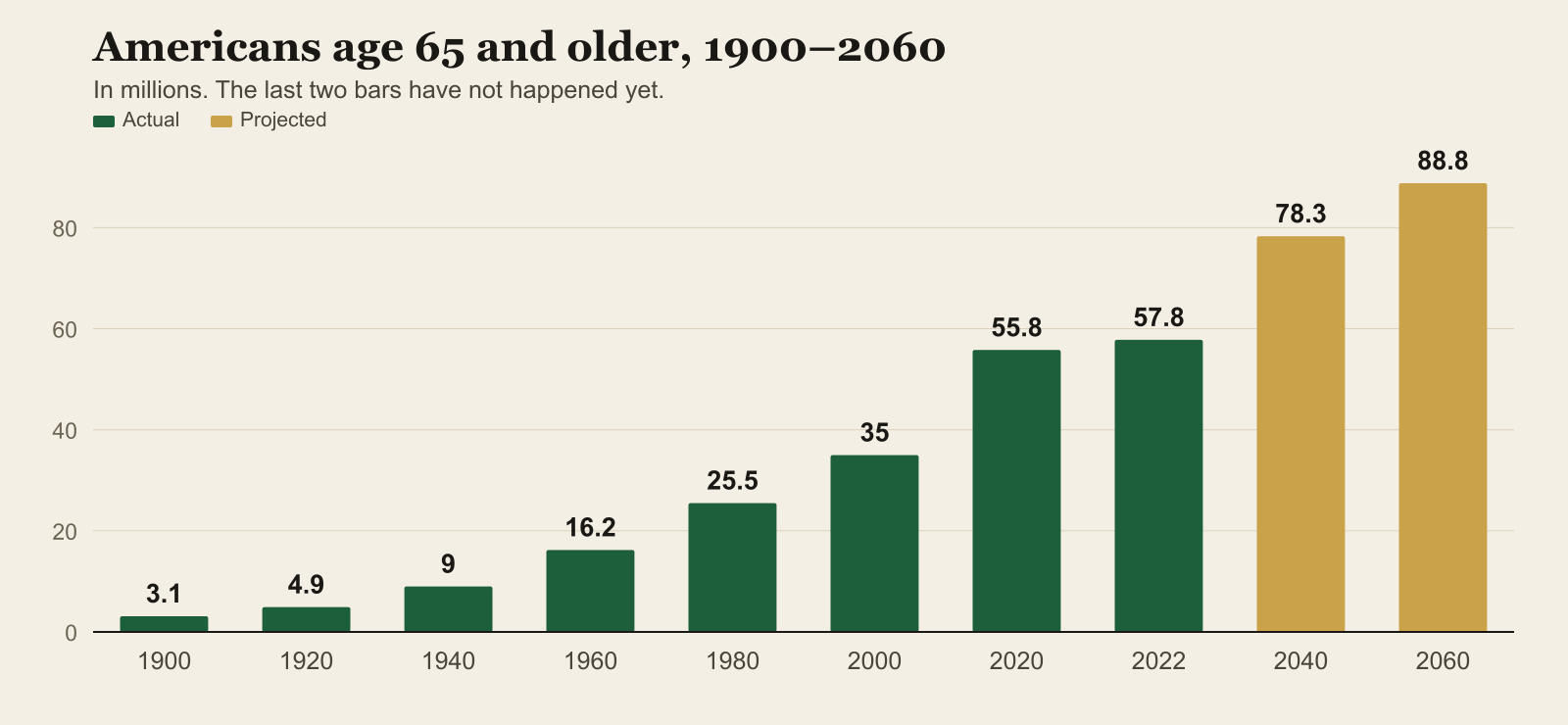
After a decade devoted to modernizing large consumer businesses in activist and private-equity-backed environments, this course challenged my intuition on value creation. In the first lecture, Erik highlighted the steam engine and the decades of delayed value capture until we redesigned manufacturing. Similarly, stepping into our project team's work for the quarter, we were forced to reimagine collaboration as old ways of working created noise. Instead, every engineer became customer-facing, and I, a business person, was deep in writing PRs and tuning agents. That said, our pitch differentiated in that the slides and demo were man-made.
The course left me thinking: while CS capabilities become more accessible, to the point that some experts claim we will have one billion developers, we will still have eight billion consumers, with limited attention spans and a fundamental human desire to hunt, gather, and socialize. Perhaps we are entering a new moment where instead of discovering new benchmarks of computer performance (e.g., the Turing Test), we will benchmark human dependence on computers, ensuring that we use AI to truly "amplify intention" and human agency.
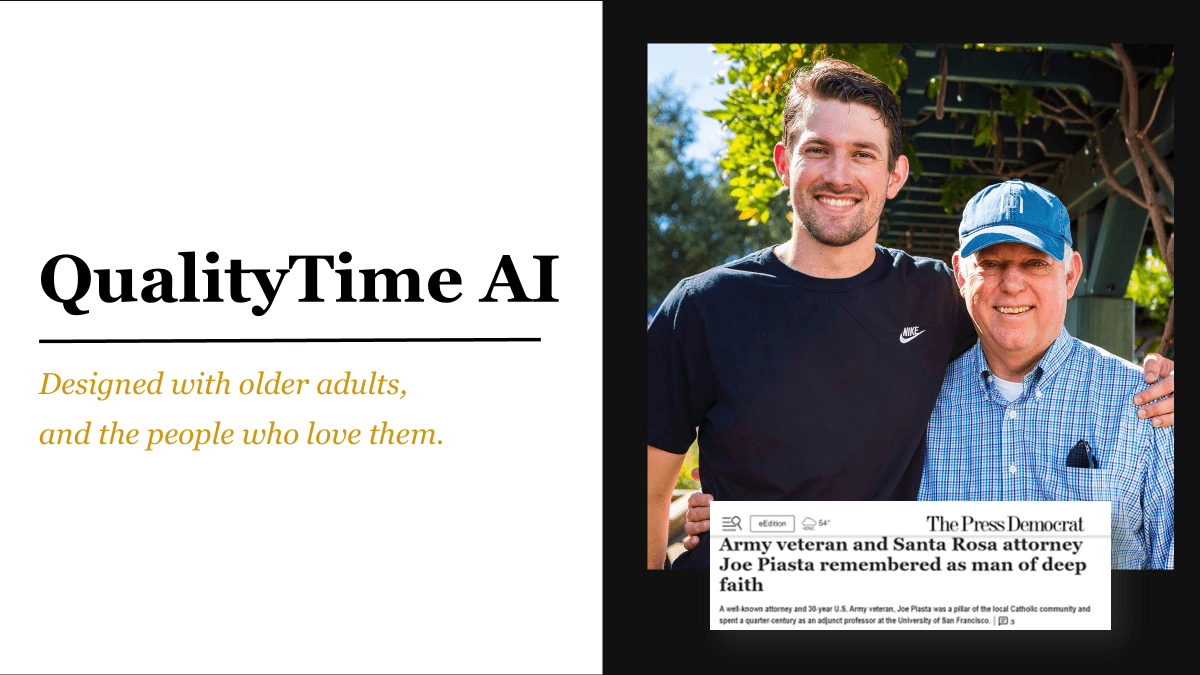
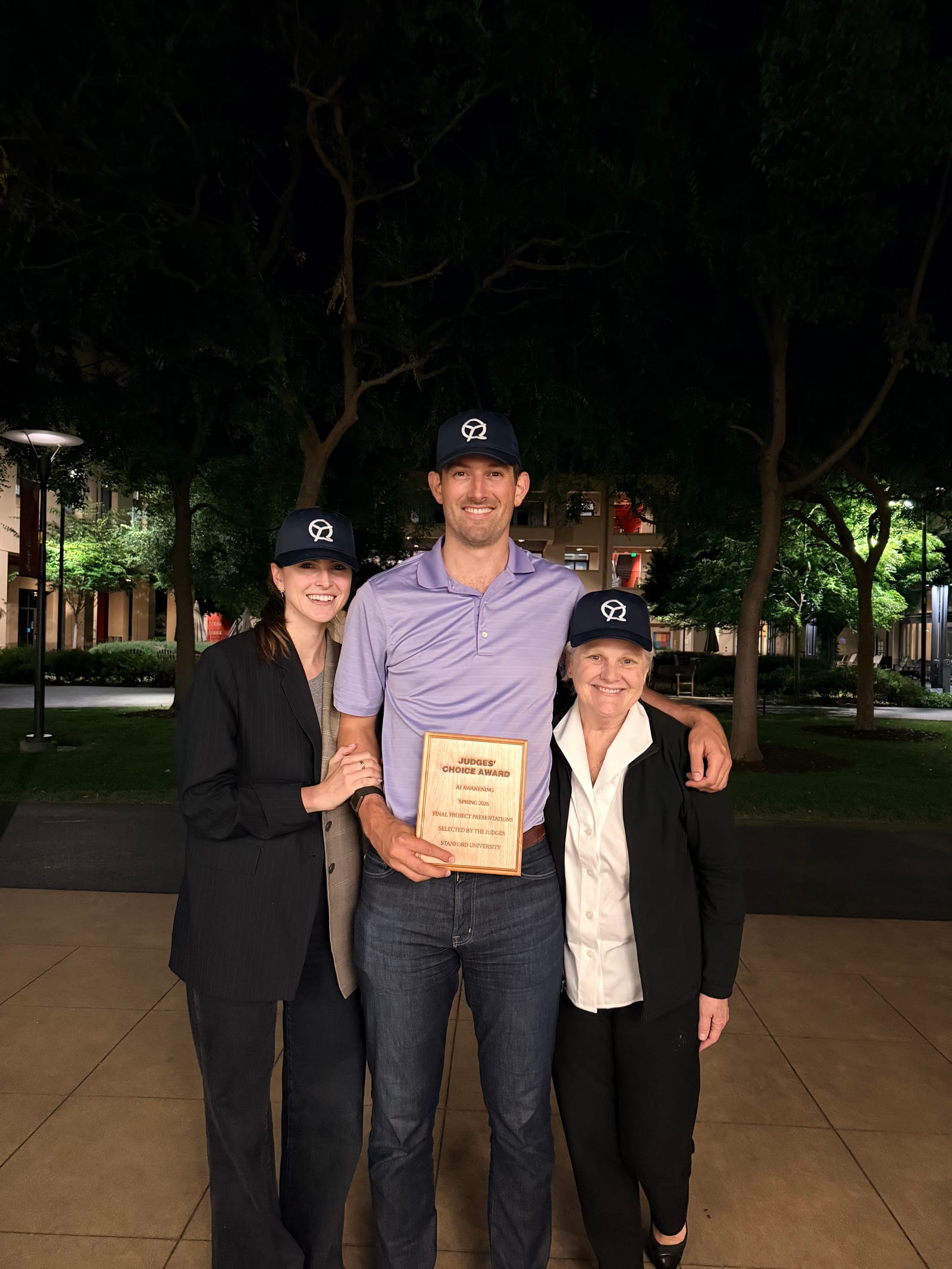
I am grateful to have had a spot in this course. To the entire teaching team and our guests, thank you for the thoughtfulness, the effort, the engagement, and keeping us fed (both on food and tokens!). We look forward to getting QualityTime AI in more families' hands.